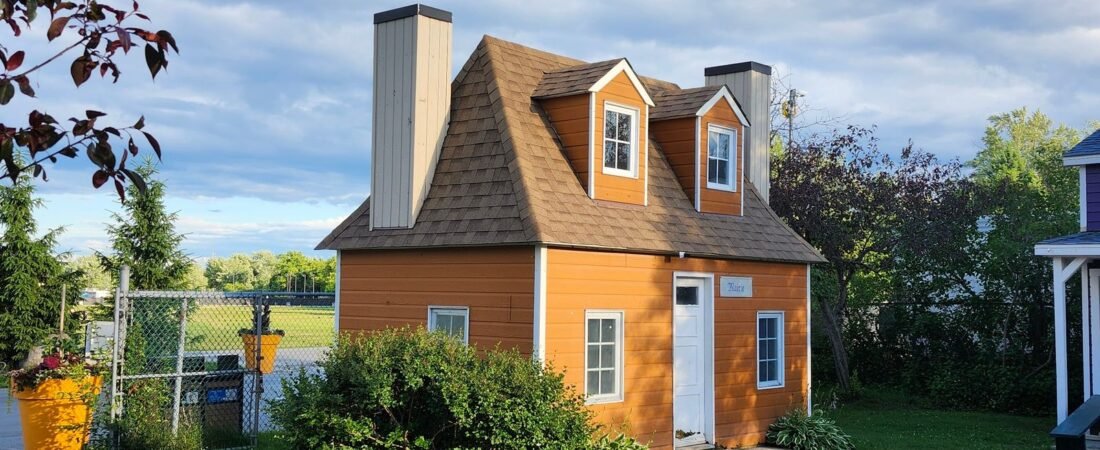
The single biggest mistake tiny home buyers make isn’t picking the wrong builder, it’s assuming they can put the home wherever they want once it arrives. Zoning and building codes vary enormously by city and county, and they’re usually the deciding factor in whether a tiny home purchase actually works out.
Tiny homes on wheels vs. permanent ADUs
Local rules generally split tiny homes into two very different regulatory categories. A tiny home on wheels is often treated like an RV or trailer for zoning purposes, which means it may only be allowed for temporary or seasonal use in many residential zones, not as a permanent legal residence. A permanent accessory dwelling unit, built on a foundation and connected to utilities, is usually regulated under a city or county’s ADU ordinance instead, which is a completely different set of rules with its own size limits, setback requirements, and permitting process.
What to check before you buy
Before committing to a builder or a lot, check these with your local planning or zoning department directly, since builder websites and general guides can’t tell you what’s true for your specific address:
- Whether tiny homes on wheels are legally allowed as a primary residence in your zone, or only as a temporary structure
- Minimum square footage requirements, which have historically excluded very small homes in some jurisdictions
- Setback and lot coverage rules, which determine how close a structure can be to property lines
- Utility hookup requirements, including septic or sewer connection rules for permanent structures
- Whether an ADU requires the lot to already have a primary residence on it
States and cities with ADU-friendly policies
A number of states have passed legislation in recent years specifically to streamline ADU approval and reduce local barriers, generally by limiting how restrictive city ordinances can be. If ADU-friendly zoning is a priority for you, it’s worth researching your specific state’s current ADU legislation, since these laws have been changing quickly and vary in how much they actually loosen local control.
Letting a builder handle it
Zoning research is exactly the kind of process a full-service ADU builder can take off your plate. Connecticut Tiny Homes, for example, manages the process from zoning through design and construction for their clients, rather than leaving buyers to navigate permitting alone.
Once you know what’s actually allowed on your property, compare real pricing in our cost guide to figure out whether a mobile tiny home or a permanent ADU fits your situation better.