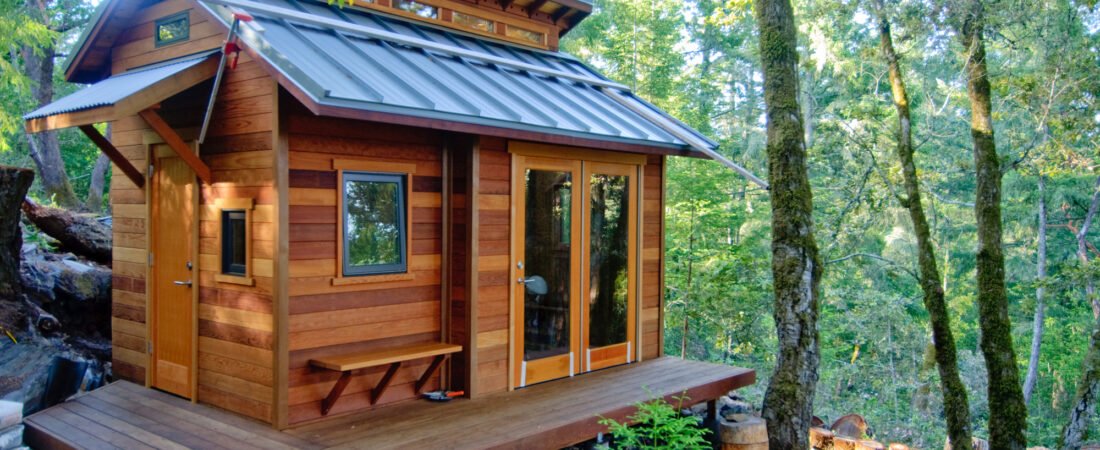
Tiny homes don’t fit neatly into the mortgage system most buyers are used to, and that trips a lot of first-time buyers up. A conventional mortgage is built around a home permanently attached to land, with a minimum size and appraisal process that most tiny homes on wheels simply don’t meet. That doesn’t mean financing isn’t available, it just means the path looks different depending on what kind of tiny home you’re buying.
Tiny homes on wheels: personal loans and RV loans
If your tiny home is built on a trailer chassis, the two most common financing routes are unsecured personal loans and RV loans. Personal loans are easier to qualify for and can be used for any home regardless of how it’s classified, but they typically carry higher interest rates and shorter repayment terms than secured financing. RV loans can offer better rates and longer terms, but only apply if your tiny home is certified to RVIA (Recreational Vehicle Industry Association) standards, which not every builder offers. It’s worth asking a builder directly whether their homes are RVIA certified if you’re planning to pursue this route.
ADUs: construction loans and home equity
A permanent accessory dwelling unit is a different animal financially, since it’s attached to real property. Buyers building an ADU on an existing lot commonly use construction loans, which release funds in stages as the build progresses, or home equity loans and lines of credit against the primary residence. Because an ADU adds real, appraised value to a property, some lenders treat it more like a home renovation than a standalone purchase, which can open up more favorable terms than an RV-style loan.
Down payments and credit
Down payment expectations vary widely by lender and loan type, but personal and RV loans often require a meaningful down payment, and the loan terms you’re offered will depend heavily on your credit profile the same way any other loan would. Buyers with stronger credit typically see both lower rates and more loan options, so it’s worth checking your credit standing before you start shopping for financing, not after you’ve picked a builder.
Before locking in financing, it helps to know the real price range you’re working with. Our cost guide breaks down what tiny homes, luxury builds, and ADUs actually run in 2026, and our builder spotlights let you compare real builders side by side so you’re financing the right home for your budget.